Wide Nose Rhinoplasty
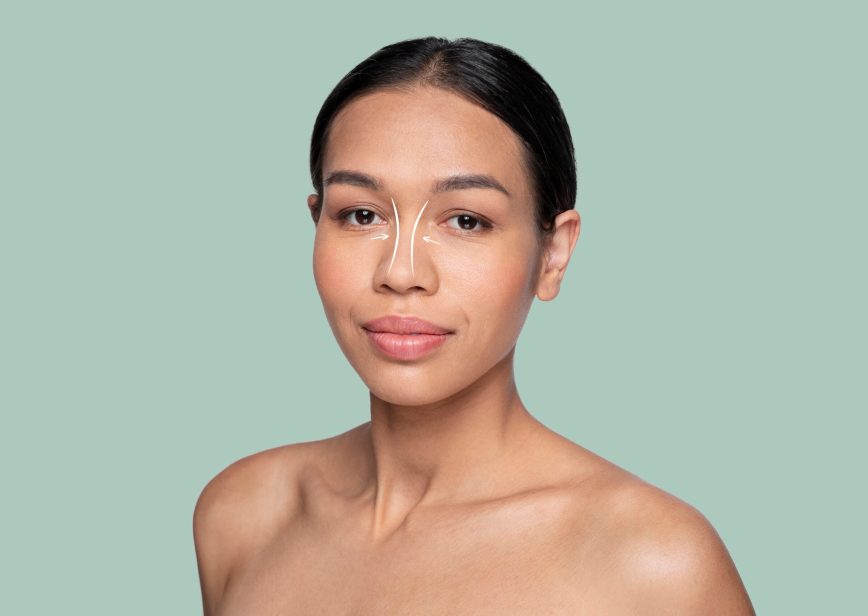
A rhinoplasty approach aiming to achieve a more balanced nasal form by preserving a natural look in cases where the nasal dorsum, nasal tip, and nasal wings appear disproportionate to the face — the goal is not to “over-thin” but to narrow it without disrupting facial proportions.
Quick Summary
The most important goal for patients applying with a wide nose complaint in Bursa is not to “excessively thin” the nose; it is to achieve narrowing while preserving facial proportions and breathing function. For general information about rhinoplasty planning, you can also check our main guide page Bursa Rhinoplasty.
Definition
What is a Wide Nose?
“Wide nose” does not point to a single thing. The width can be in different areas:
- Wide nasal bone/dorsum: The upper part (bony vault) appears wide
- Wide nasal tip: The tip cartilages appear wide or round — see Nasal Tip Plasty
- Wide nasal wings (alar base): Nostrils flare outwards when smiling/talking
- Generally wide nose: Bone, cartilage, and wing width are seen together
Causes
What Causes a Wide Nose?
The most common causes are:
- Genetic/anatomical structure
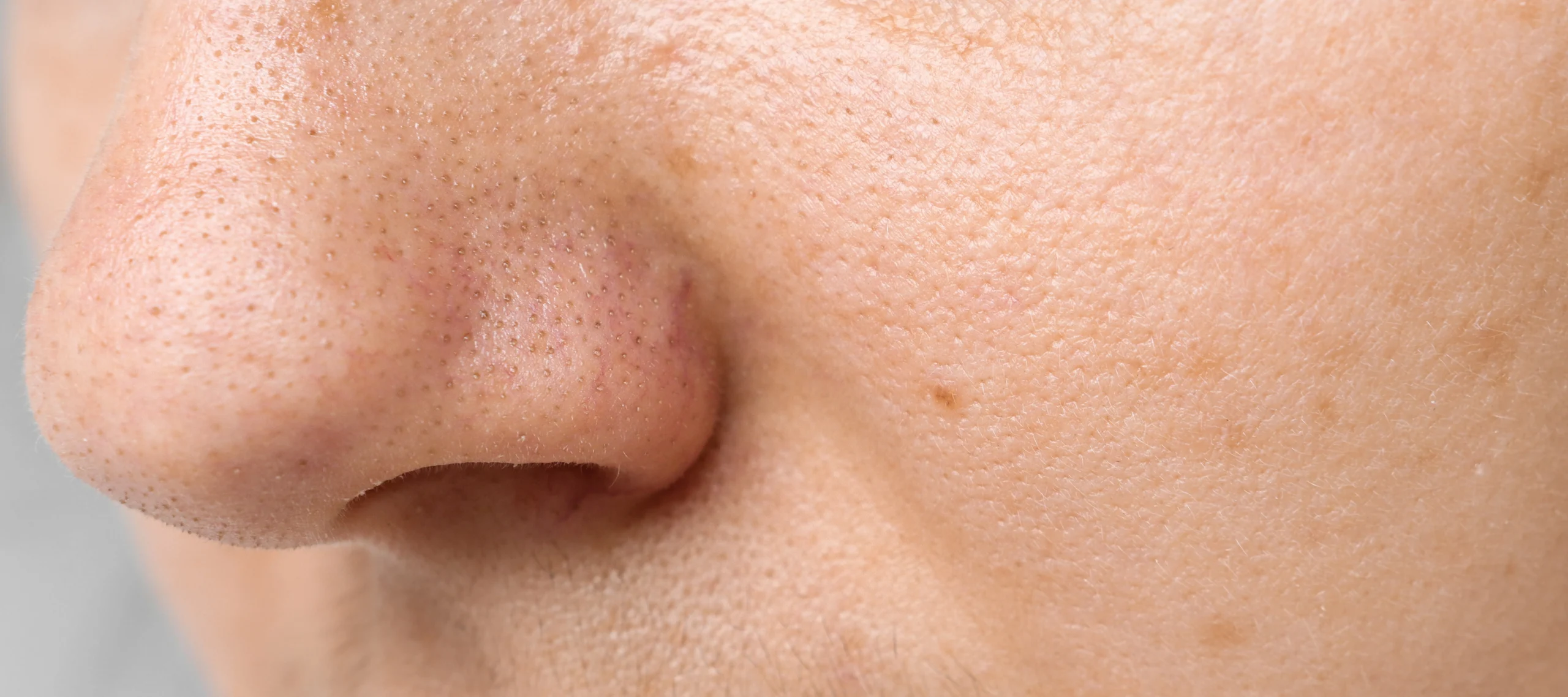
- Thick skin (the tip may look wider and more edematous)
- Strong cartilage structure (width of the tip and middle section)
- Wide bony vault
- Previous trauma
- Internal structural issues combined with breathing problems (can affect the external appearance in some cases)
What Should Be the Goal in Wide Nose Rhinoplasty?
The goal in successful wide nose rhinoplasty is to:
- Narrow the nasal dorsum in harmony with the face (with natural lines)
- Make the nasal tip clearer and more balanced
- Gather the nasal wings moderately if necessary
- Avoid an “overly thin – artificial” look — see Natural Rhinoplasty
- Preserve or improve breathing function — see Functional Rhinoplasty
Approaches
How is Wide Nose Rhinoplasty Performed?
The procedures applied vary depending on the source of the width. The most commonly used approaches are:
Narrowing the Bony Vault
- Makes the upper section look thinner
- More balanced lines in profile and frontal views
Nasal Tip Shaping (Tip Plasty)
- Not to make a “pinched tip”, but to create a clearer, balanced form
- In thick skin, the settling of the tip area may take longer
Alar Base Reduction (Wing Narrowing)
- Measured narrowing and symmetry are targeted
- Scar management and natural nostril form are preserved
Functional Evaluation
- May be accompanied by deviation, turbinate enlargement, or valve narrowing
- The aesthetic plan + breathing plan are handled together
The alar base procedure is not performed on every patient; if not necessary, it is better not to touch the nasal wings.
Technique Selection
Open or Closed? Which is Better for Wide Noses?
This depends on the needs of the nose:
Closed Technique
In suitable cases, it can have the advantage of less tissue trauma and no external scarring.
Open Technique
The control area can be wider for tip shaping, asymmetry, and complex width problems.
Recovery
Thick Skin and a Wide Nose: What Should Realistic Expectations Be?
In thick skin:
- Swelling can last longer
- Tip details become prominent later
- Results settle with natural and soft transitions
Recovery Process: When Will It Look Normal?
A general timeline:
- Week 1Cast/splint period, edema, and possible bruising
- Weeks 2–4Social appearance recovers significantly
- Months 1–3Swelling decreases, the nose starts to look “thinner”
- Months 6–12Final form settles (can take longer in thick skin)
Attention
Common Mistakes in Wide Nose Rhinoplasty
- “Overly thinning” the nose disproportionately to the face
- Unnecessarily narrowing the nasal wings
- Over-reducing the tip (risk of an artificial look)
- Pushing breathing function to the background
- Making the wrong plan expecting “immediate results” on thick skin
When Choosing a Doctor for Wide Nose Rhinoplasty in Bursa
- A planning approach focused on natural appearance
- Technical experience suitable for wide nose anatomy
- Breathing examination and functional plan (ENT advantage)
- Symmetry, tissue preservation, and follow-up protocol
Pricing
Wide Nose Rhinoplasty Prices (2026)
The price varies depending on the source of the width (bone/tip/wing), accompanying functional corrections, and the scope of surgical planning. A personalized plan must be created through an examination for clear pricing.
Read More
Related Treatment Pages
Curiosities
Frequently Asked Questions
Will a wide nose become extremely thin?
The goal is not to make it “extremely thin”, but to narrow it in harmony with the face. Excessive thinning can ruin a natural look.
Do the nasal wings definitely get reduced?
No. Alar reduction is only performed in necessary cases.
When is the result clear in wide nose rhinoplasty?
The first change is seen in 2–4 weeks; the final form generally settles between 6–12 months.
If I have a breathing problem, will it be fixed in the same surgery?
Functional problems can be addressed in the same session alongside aesthetics in suitable patients.
Does healing progress differently in thick skin?
Yes. In thick skin, swelling can last longer and tip details become prominent later. This is not a failure, but an anatomical process; the best result is achieved with correct planning and patience.
Does alar base reduction leave a scar?
In cases where wing narrowing is deemed necessary, scar management is carefully planned and the natural nostril form is tried to be preserved. Details are evaluated during the examination.
For Examination and Planning
Success in wide nose rhinoplasty is not about artificially thinning the nose, but achieving a natural and breathing nose suitable for facial proportions. With the right analysis, bone, tip, and wing width are evaluated separately, and a personalized plan is made. You can contact us to get information about wide nose rhinoplasty in Bursa.
Contact Us